Skill Acquisition (Fashion Design)
Program Content & Practical Activities
Based on the instructional milestones observed in the training samples, the curriculum is structured around four core pillars:
1. Measurements and Pattern Drafting
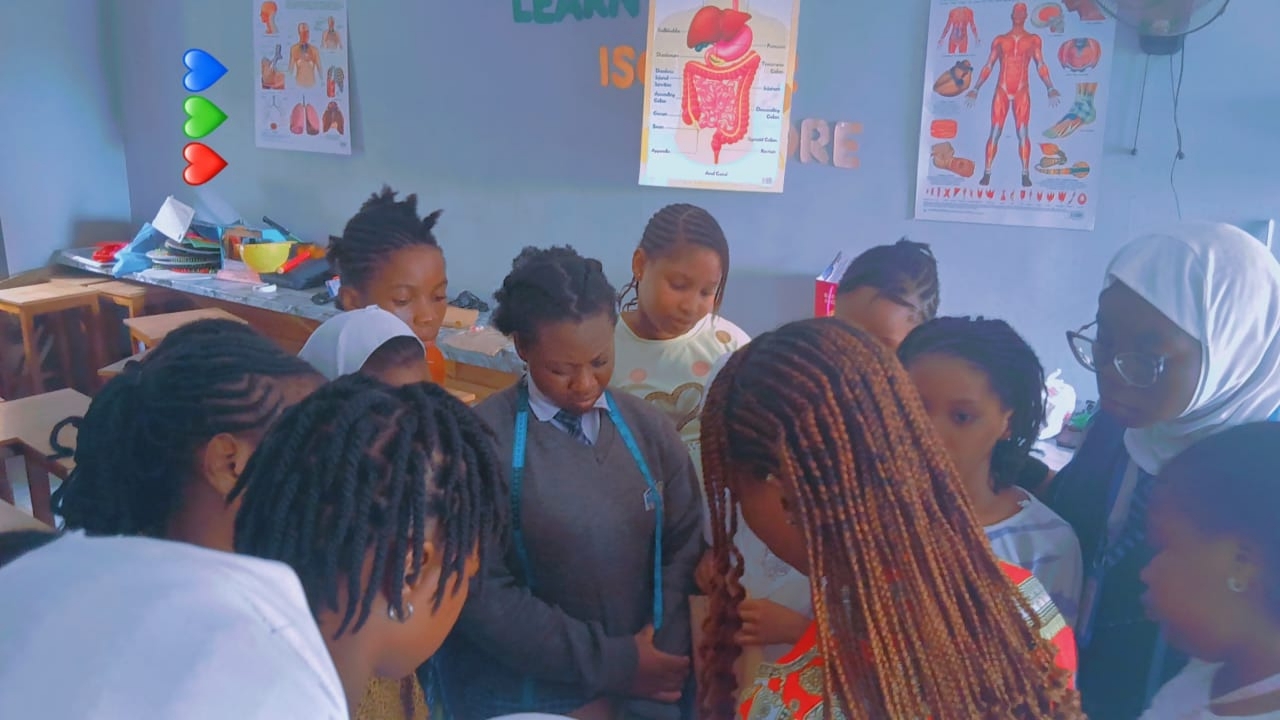
Anatomical Measurements: Students are trained in the precise art of taking body measurements, a fundamental skill required for custom tailoring. As shown in 105785.jpg, students learn how to properly drape and position a flexible measuring tape around a model to capture accurate dimensions.
Pattern Prep & Layout: Learners transition measurements into physical templates. In 105824.jpg, a diverse group of students works closely with a pattern-drafting table, utilizing tools like rules, pencils, and tailoring chalk to map out proportions on brown pattern paper before touching any fabric.
2. Design Collaboration & Material Sourcing
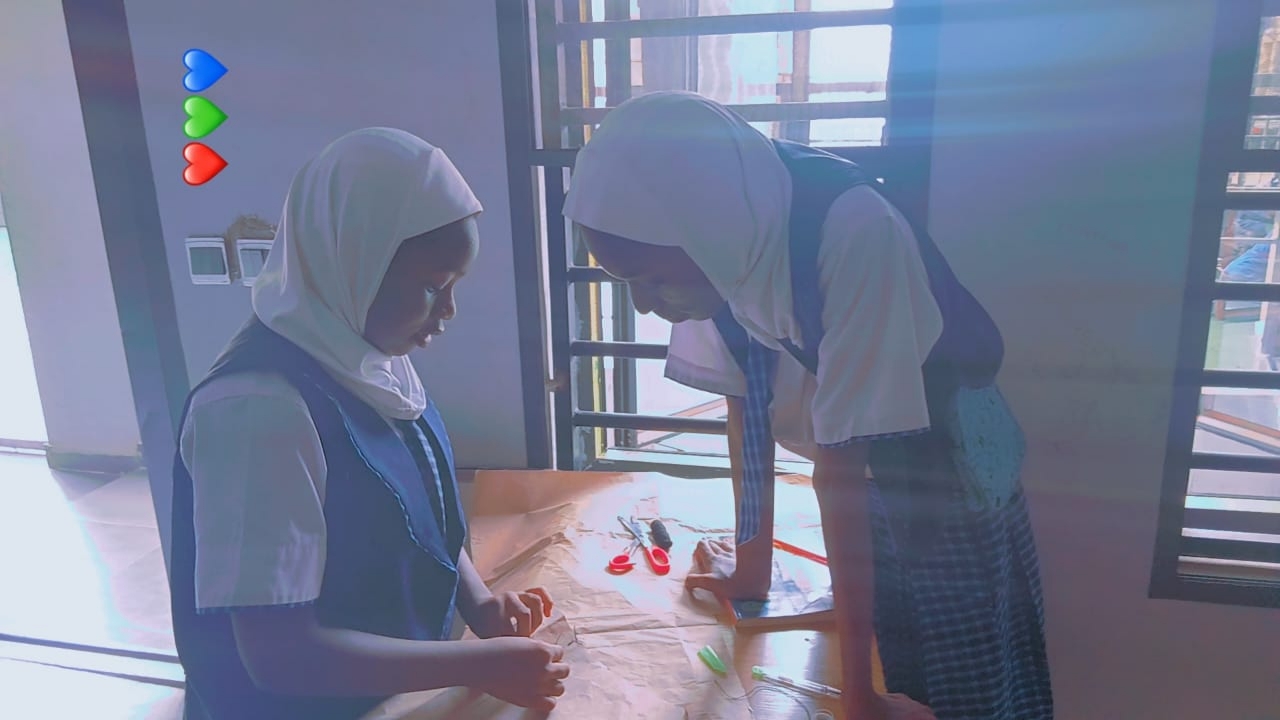
Peer Learning: The program emphasizes collaborative design. In files 105840.jpg and 105827.jpg, students in uniform work in pairs, meticulously reviewing a layout layout to ensure accurate seam allowances and proper alignments before cutting.
Tool Mastery: Students develop dexterity with foundational fashion design apparatus. Exercises include the precise handling of fabric shears, tailors' chalk, straight pins, and measuring tapes layout across workspace tables, as depicted in 105834.jpg and 105839.jpg.
3. Precision Cutting & Safe Execution
Fabric Alignment: Students practice marking line indicators directly onto pattern paper or textiles. In 105834.jpg, a student works alongside an instructor to carefully align scissors alongside marked patterns, learning the steady hand control required to avoid jagged edges or wasted material.
4. Fabric Manipulation and Finished Stitching
Stitch Execution: Before working on complex garments, students master basic and decorative hand stitches to understand tension and fabric control.
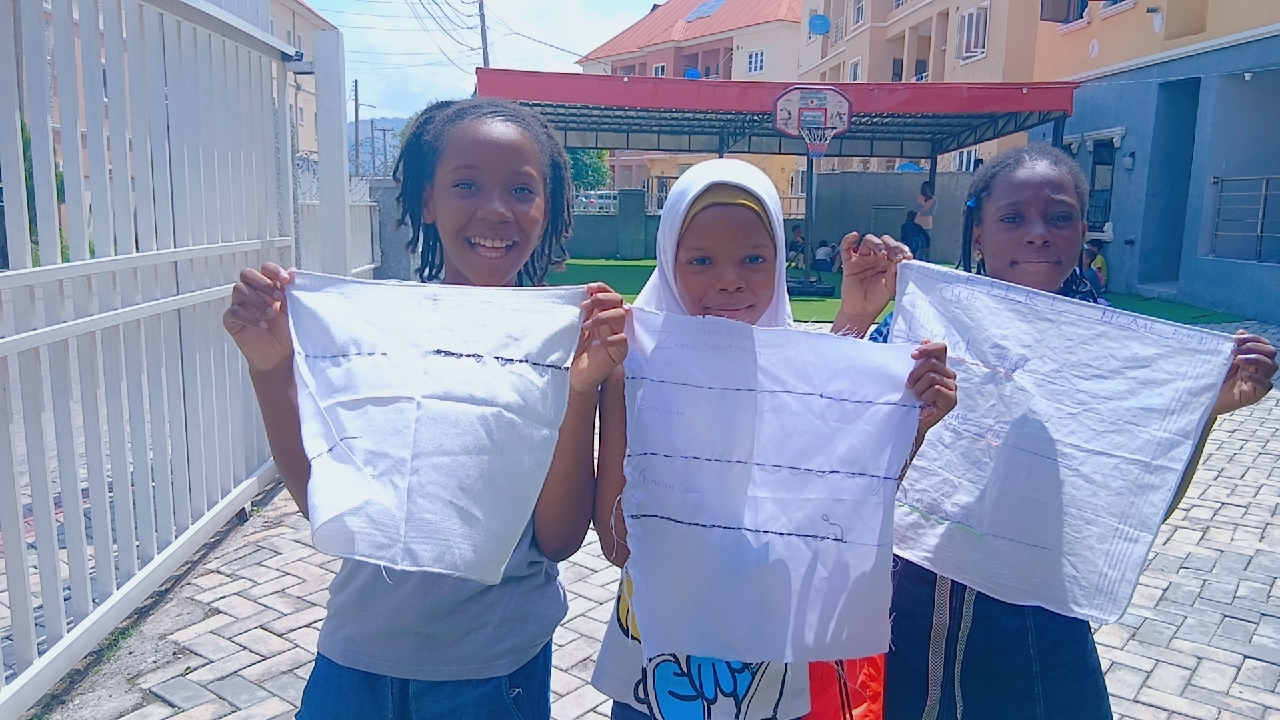
Final Presentation: As proudly demonstrated in 105841.jpg, students successfully complete practical assessment samples. Here, learners display white fabric swatches featuring rows of uniform, straight, and curved hand stitching—proving their readiness to transition to machine sewing and advanced garment assembly.